


Even in sunny Los Angeles, homeowners experience frustrating water heater issues in winter when temperatures drop into the 40s and 50s.
This article explores why water heaters struggle in Los Angeles winters and provides practical solutions. Learn about the effects of colder groundwater, insulation needs, and maintenance tips to keep your system running efficiently year-round.
Key takeaways
Groundwater temperatures drop significantly even in mild LA winters, forcing your water heater to work harder. When incoming water temperature falls from 70°F to 55°F, your system must heat that water an additional 15 degrees, a substantial increase in energy consumption.
LA homes often lack adequate insulation for pipes and water heaters since builders assume mild weather. This oversight leaves systems vulnerable to ambient temperature changes that might seem minor elsewhere but create noticeable performance issues.
Winter brings increased hot water demand as residents take longer, hotter showers and run more hot water appliances.
Temperature fluctuations common in LA winters cause expansion and contraction in pipes, tank components, and accelerate wear on older systems.
A single day might see temperatures swing from 45°F at dawn to 68°F by afternoon, creating mechanical stress that compounds pre-existing vulnerabilities in your aging equipment.
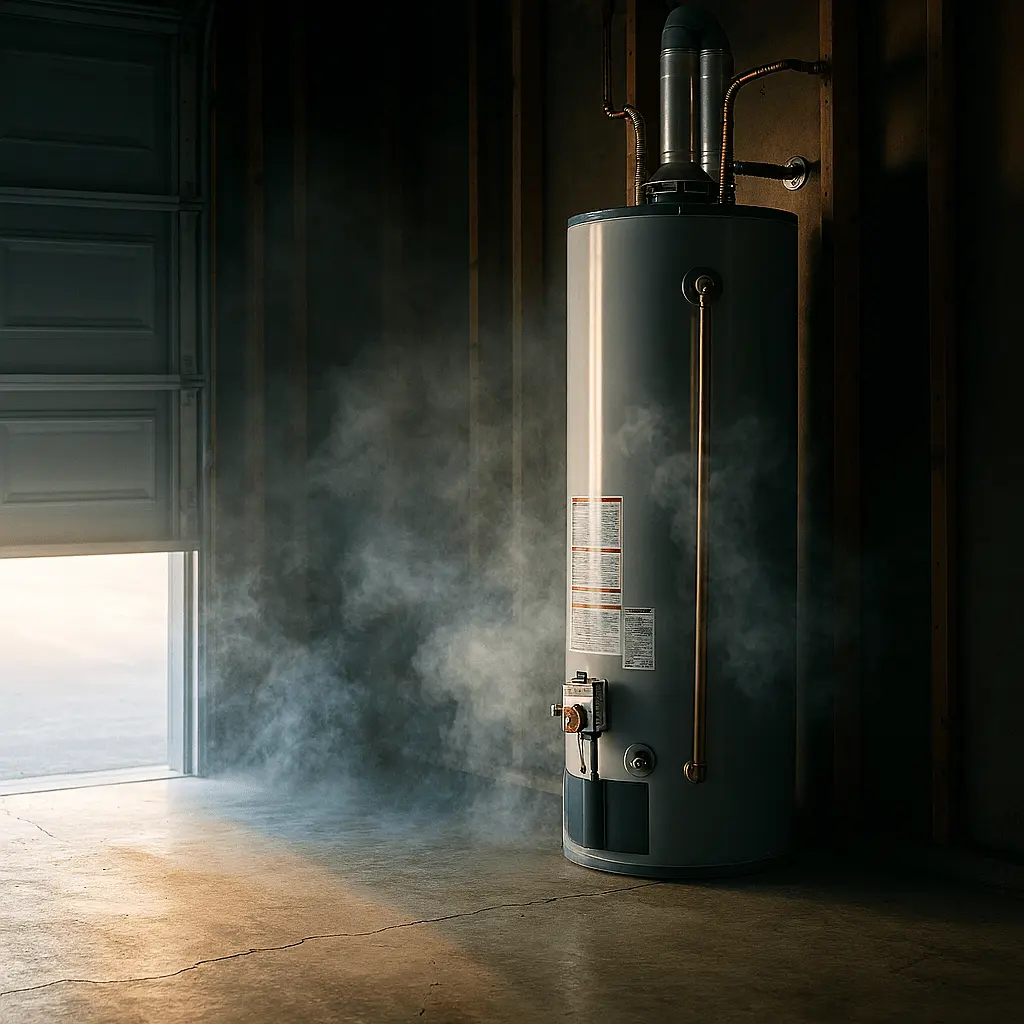
Lukewarm water despite waiting longer than usual indicates your heater cannot keep up during winter.
When you find yourself adjusting the faucet repeatedly, hoping for that perfect hot shower, your water heater is struggling.
Strange noises like popping or rumbling often intensify in winter as sediment movement becomes more pronounced with changing water temperatures. Los Angeles’s mineral-heavy water creates buildup that shifts, cracks, and produces sounds during the heating process.
Fluctuating water temperature during showers happens when your water heater cannot maintain consistent heating as cold water enters the tank. One moment you are comfortable, the next it’s a lukewarm stream.
Higher utility bills without increased usage point to your water heater working overtime to combat colder incoming water temperatures.
If your gas or electric bills spike despite maintaining everyday household routines, your water heater is a likely culprit.
Los Angeles‘ mineral-rich water creates faster sediment buildup during temperature changes, reducing efficiency precisely when heaters need to perform their best.
Older homes throughout Los Angeles County often have outdated water heaters installed in uninsulated garages or outdoor areas, making them vulnerable to temperature drops.
The city’s aging infrastructure means fluctuating water pressure during peak usage times, further stressing water heaters during high-demand winter months.
There are many DIY solutions that LA homeowners can do to improve water heater performance in the winter.
Insulating exposed hot water pipes with foam sleeves can significantly reduce heat loss. This simple weekend project pays immediate dividends, delivering hotter water faster while reducing the burden on your already stressed system.
Draining and flushing your tank before winter removes sediment buildup. While this task sounds intimidating, most homeowners can accomplish it in under one hour with basic tools and careful attention to manufacturer instructions.
Installing a water heater blanket creates an effective insulation barrier for tanks located in garages or outdoor areas. These inexpensive wraps prevent radiant heat loss, helping maintain tank temperature despite nighttime cold snaps.
Lowering your water heater temperature slightly during milder days helps reduce strain during the coldest periods. This counterintuitive strategy builds a buffer of efficiency that becomes valuable when temperatures truly plummet and your system needs every advantage.
Spacing out hot water usage by avoiding simultaneous showers, laundry, and dishwasher cycles prevents overtaxing your system.
Closing garage doors and sealing drafts around your water heater creates a more stable environment. These minor adjustments can make a big difference during LA’s coldest weeks.
Sometimes, only a professional plumbing service will do.
If your hot water recovery time exceeds 30 minutes, even after some DIY troubleshooting, professionals can help. Heating elements fail, thermostats drift out of calibration, and components wear in ways that no amount of flushing or insulation can remedy.
Discolored water with rust particles indicates potential tank corrosion that worsens in winter and requires immediate professional attention.
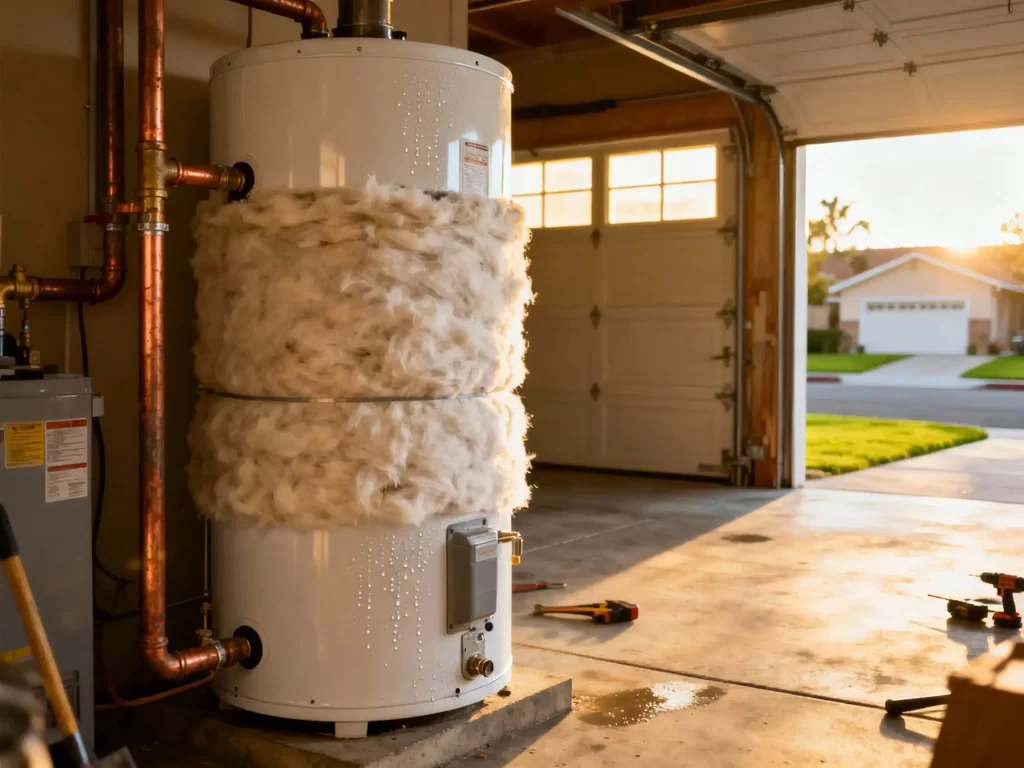
Professional maintenance before winter can prevent emergencies by servicing or replacing worn components. If your water heater is struggling and has never been serviced, calling a professional may be worthwhile.
Contact our experts at Affordable Heating and Air for your water maintenance or repair questions. We care about your comfort during these stressful situations. Speak with a real person who understands LA’s unique plumbing challenges and can dispatch immediate assistance.
Scheduling preventive maintenance with Affordable Heating and Air before winter is the most effective way to avoid disruptive and costly emergency repairs. Our comprehensive inspection catches problems early while they are still manageable, helping your system enter cold weather at peak efficiency.
Upgrading to a more efficient tankless system could be worthwhile. Modern tankless units heat water on demand, delivering endless hot water regardless of seasonal temperature fluctuations while reducing energy consumption and utility costs.
But that does not mean you should rush into replacing your system without a plan. Take time to discuss your specific needs with our experts, who can help determine if an upgrade makes sense for your situation. The right solution balances immediate comfort, long-term performance, and value.
When winter hits, the water coming into your home is colder, so your heater has to work a lot harder to bring it up to temperature. If the unit is older, full of sediment, or not well insulated (very common in LA garages), it can’t keep up, and you start getting lukewarm water instead of a proper hot shower.
Check the basics first: make sure the breaker isn’t tripped, the gas valve is open, and the thermostat is not bumped. If everything looks normal and you still have no hot water—or you see leaks, smell gas, or hear strange noises—shut the unit off and call a local pro right away.
Wrap any exposed hot‑water pipes and consider a blanket for heaters sitting in the garage or outside closet. Flush the tank to clear sediment, keep the temp around 120°F, and try not to stack showers, laundry, and the dishwasher all at once so the heater has time to recover.
Start simple: turn the thermostat up slightly (without going over 120°F), flush the tank, and add pipe insulation where you can see bare hot‑water lines. If the water is still weak, swings from hot to cold, or runs out fast, it’s usually time for a tech to check the elements, thermostat, or size of the system.
Search for terms like “emergency water heater repair Los Angeles” or “24 hour plumber near me” and look for companies with recent reviews, a real local phone number, and clear 24/7 availability listed on their site.