
You may have heard that California’s Energy Codes are stricter as of 2026, and that’s true. What many homeowners don’t realize is that these changes go beyond just HVAC equipment. The new rules also set higher standards for your home’s insulation and air sealing, which affect how much work your heating and cooling system has to do.
The updated Title 24 standards, known as the 2025 Building Energy Efficiency Standards and effective since January 1, 2026, require homes to have tighter building envelopes, higher minimum insulation, and measurable performance. As a result, insulation codes are more important, and materials that used to be considered upgrades are now the standard for compliance.
This change gives Los Angeles County homeowners a real chance to get ahead. By understanding what’s in place, you can plan your energy code upgrades at your own pace instead of scrambling when demand peaks.
Let’s look at what’s changed, the latest insulation technology, and how adopting these rules can make your home more comfortable and efficient in the long run.
California’s energy plan focuses on cutting energy use and emissions from buildings. The 2025 Title 24 updates prioritize real-world performance, especially in the building envelope. Even the best HVAC system can’t make up for air leaks, poor insulation, or heat loss, which are common in Southern California’s different climates, including both coastal and inland areas of Los Angeles.
These updates create airtight homes that keep heated or cooled air inside. This helps lower energy bills, makes homes more comfortable, and supports net-zero goals for both new construction and renovations in places like Los Angeles County.
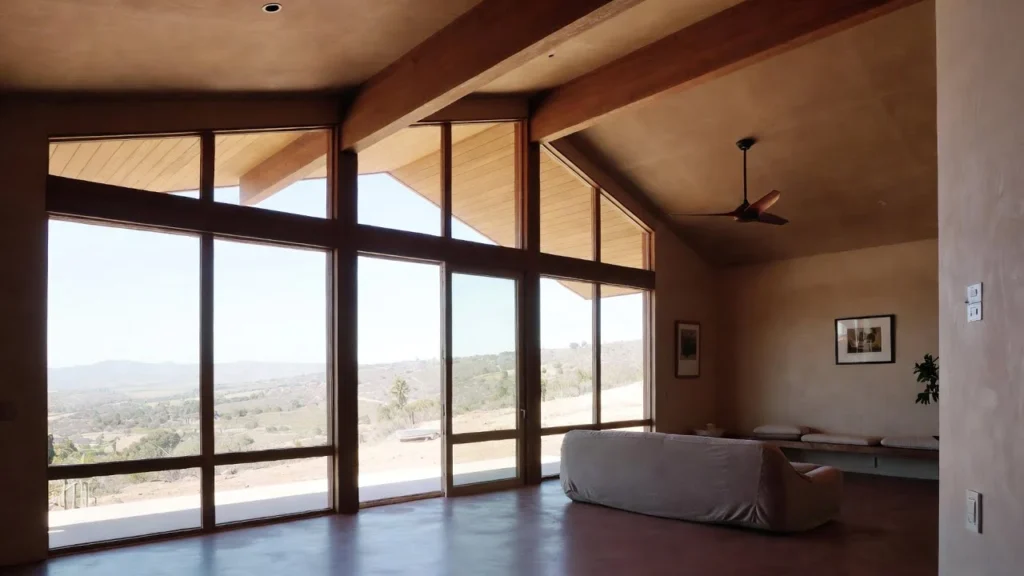
The 2025 codes increase insulation standards across all 16 of California’s climate zones, especially in attics and ceilings, with R-values rising by 10 to 15 percent. In Los Angeles areas, such as zones 6 (coastal) and 9 (inland), older insulation won’t meet the new rules. For example, ceiling insulation in some areas needs to increase from R-38 to R-49, which means using thicker materials and possibly adjusting roofs to improve HVAC system performance during hot summers.
Air-leakage limits are tighter, mandating blower-door tests (3-5 ACH50 targets) and sealing ducts, windows, and outlets. This ensures insulation performs optimally, avoiding energy waste and uneven temps.
Continuous insulation (CI) is now important. It adds extra layers on the exterior of walls and roofs to eliminate thermal bridges and lower U-factors. This is especially useful for keeping homes comfortable all year in Los Angeles.
Multifamily buildings in Los Angeles and Orange County have even stricter rules because of shared walls and more complex layouts. Better sealing between units prevents energy and noise from passing through, and whole-building modeling accounts for shared spaces and central HVAC systems.
These changes help reduce emissions in crowded city areas, lower residents’ bills, and make homes more comfortable during heat waves. Builders should work with energy analysts early to ensure compliance with the new rules and avoid costly retrofits later.
As of 2026, the state focuses more on checking that systems work as they should. This means there are more pressure tests and greater use of tools like thermal imaging to ensure everything performs well.
This is important because it makes it riskier to take shortcuts. Before, some installations passed just because they looked okay. With stricter Energy Codes, actual test results matter more.
For homeowners, this is a good thing. Better testing often means fewer hidden comfort problems, fewer surprises on your utility bills, and clearer responsibility if a system does not work right.
Insulation technology has made significant strides over the last 10 years. Basic fiberglass batts are mostly a thing of the past. Today’s materials are built to meet tougher building standards, including the 2025 Energy Code.
Before upgrading to new insulation materials, first check if your current insulation is failing. In Los Angeles homes, signs include sagging attic batts, uneven room temperatures, rising energy bills, or musty smells from moisture or pests. Explore the full list of signs your insulation needs replacement in Los Angeles to decide wisely.
Spray foam insulation now offers better R-values per inch and seals air leaks well. It’s a great option for energy-efficient homes in Southern California. Many newer spray foam products use recycled materials, making them better for the environment without sacrificing performance.
Aerogel insulation was once used only in aerospace, but it’s now available for homes. It works well in thin layers, making it ideal for tight spaces. Homeowners can meet high R-value codes without adding extra bulk.
Phase-change materials, or PCMs, are becoming more popular for insulation. They absorb heat when it’s warm and release it when it cools, helping keep indoor temperatures steady. This is especially useful in Southern California, where temperatures can swing a lot between day and night.
Mineral wool is getting more popular because it insulates well and resists fire. In cities like Los Angeles, where noise is a concern, mineral wool also helps block sound, making homes more comfortable and safe.
Vacuum-insulated panels, or VIPs, are a great choice for homes with little space for insulation. They offer high R-values in small areas, making them well-suited for small homes or areas where regular insulation is too bulky.
More homeowners are seeking eco-friendly options, so bio-composite insulation made from plant materials and farm waste is becoming increasingly common. These green materials meet Energy Codes and offer a good alternative to traditional insulation.
Many homeowners wonder what kind of savings they can actually expect. According to California Energy Commission data and local case studies, moving from under-insulated attics to proper R-38+ levels routinely cuts cooling costs by 30–50%.
New insulation technologies are changing how we track and improve a home’s energy use. Homeowners can now use smart systems to see real-time data on how their insulation is working.
Homeowners can now use smart systems to see real-time data on how their insulation is working, and this integration becomes even more powerful when combined with smart HVAC controls that automatically optimize heating and cooling based on that data.
New insulation systems feature built-in sensors that track moisture and assess how well the insulation performs over time. These sensors help homeowners spot problems early, preventing expensive repairs and high energy bills.
Smart membranes are changing how homes control moisture. Unlike regular vapor barriers, these new membranes adjust to humidity levels. This helps stop moisture problems and keeps the home comfortable.
Infrared technology is now easier and cheaper to use. Contractors and inspectors use these tools to quickly identify gaps in insulation and heat leaks that might otherwise go unnoticed. This helps homes remain energy-efficient and comfortable.
With Energy Codes now stricter, you might wonder if it’s worth upgrading existing systems.
For many homeowners, upgrading makes sense, especially if your insulation isn’t working well now. Making improvements can lower your heating and cooling bills. Even small upgrades in attic insulation and air sealing can make your home more comfortable and reduce wear on your system.
Most homeowners notice comfort first. When your insulation meets or exceeds code requirements in real life, rooms feel more even, upstairs areas stay warmer, and you have fewer hot or cold spots.
Another benefit that surprises many people is less noise. Better insulation, especially with good sealing, reduces sound in ways you might not notice until the work is finished.
When it comes to selling your home, energy-efficient upgrades are now a big selling point in Southern California. Buyers notice these features, especially when you have proof that the upgrades improve performance.
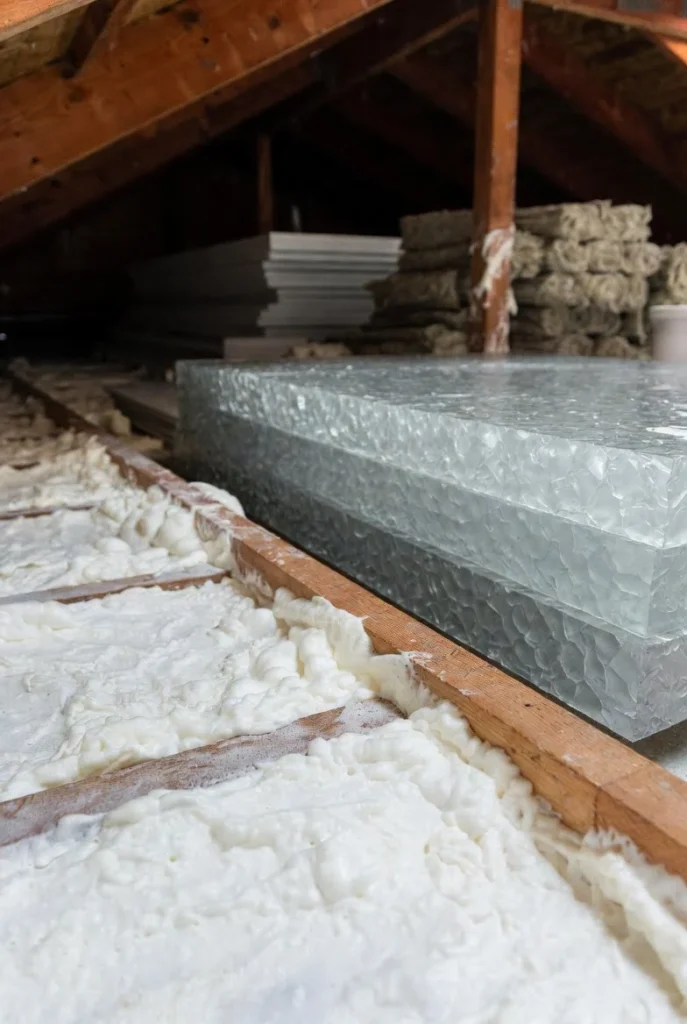
With insulation, choosing the right material is important, but how it’s installed matters just as much.
Small gaps, compressed spots, or poorly sealed openings can significantly reduce insulation effectiveness. With the 2025 Energy Code, these problems are more likely to be found during testing.
That’s why the order of work is important. Air sealing should come first, followed by insulation, with special care given to areas that typically leak the most energy.
In many Los Angeles homes, the main problem areas aren’t always obvious. Rim joists, attic hatches, recessed lights, and duct chases can all hurt performance if left unsealed. These details may not seem important, but they really do affect comfort and meeting the codes.
The 2025 Building Energy Efficiency Standards, which took effect on January 1, 2026, update Title 24 to improve the efficiency of building envelopes for new construction, additions, and renovations.
Title 24 standards depend on your climate zone. In Southern California, most areas are in zone 6 (coastal) or zone 9 (inland).
Requirements depend on your climate zone and the type of attic, according to the 2025 Code that takes effect in 2026.
In Los Angeles, it is important to use insulation with high R-values, good air sealing, and sustainable materials to handle the region’s changing climate.
The truth is, the 2025 codes are now in effect, and delaying could make things harder. Schedules can fill up, leaving homeowners feeling rushed.
Planning ahead lets you make careful choices. You can figure out what your home needs, explore new insulation options that fit your house, and work with pros to upgrade without guesswork.
If you want help looking at insulation options, understanding the rules, or planning upgrades, Affordable Heating and Air can guide you with clear advice and practical tips. Request a free evaluation and get started today.