

Traditional heat pumps are efficient because they move heat rather than generate it. This lets them provide more heating or cooling than the amount of electricity they use.
Most systems use fixed programming, following settings set during installation. They do not adjust well to changes in weather, how the home is used, or shifts in performance over time.
AI heat pump optimization solves this problem.
With machine learning HVAC technology, modern systems learn from real data, predict heating and cooling needs, and adjust automatically. This means more comfort, lower energy bills, and fewer unexpected repairs.
In Los Angeles County and Southern California, temperatures often shift from cool evenings to hot afternoons. This adaptability really matters for homeowners. Keep reading to see how AI can help your heat pump work better.
Heat pumps are efficient by design. Under ideal conditions, they can deliver up to 3 times as much energy as they consume.
However, even efficient systems face challenges:
Most systems use a preset heating curve set by a technician. After that, the unit only reacts to temperature changes and does not plan ahead.
Over time, small problems like low refrigerant, sensors that are not calibrated, or worn parts can lower performance:
These changes are often hard to notice. Most homeowners only realize there is a problem when comfort drops or energy bills go up.
AI heat pump optimization helps your system predict what is needed rather than just react.
Instead of waiting for the indoor temperature to change, the system evaluates:
Machine learning HVAC algorithms create a digital model of how your home reacts to temperature changes. For example, the system might notice that the afternoon sun warms some rooms and can lower output in advance to prevent overheating and save energy.
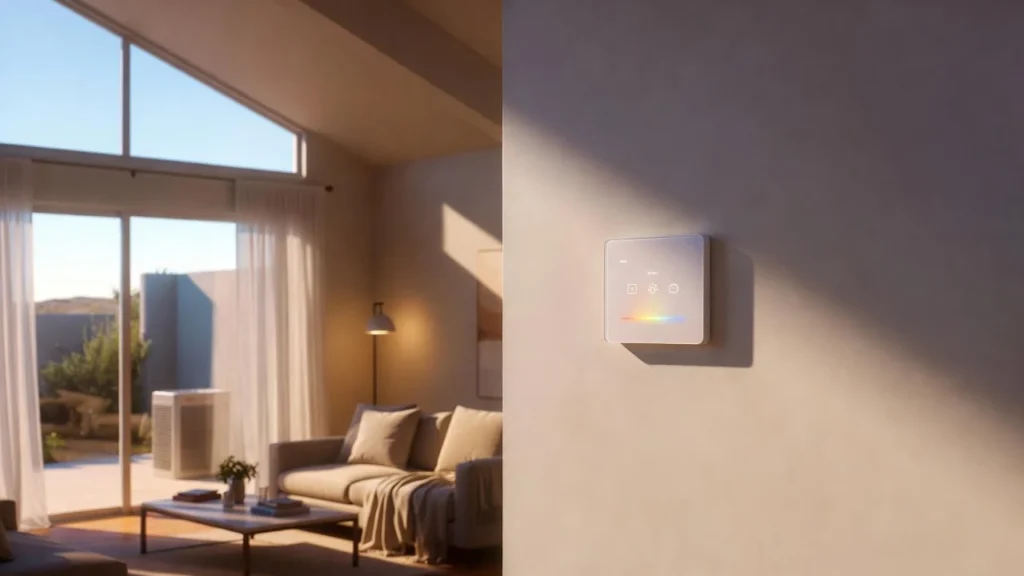
Smart heat pumps keep adjusting their settings over time. They do not stick with the same setup from installation. Instead, they adapt to your home and need change.
Predictive efficiency means your system can plan for what is needed rather than just respond after the fact.
If a cold front is coming overnight, the heat pump can slowly adjust before it gets cold. This helps avoid using extra energy in the morning. If electricity prices change during the day, some AI systems can run more during cheaper hours without making your home less comfortable.
These small changes can make a big difference over time.
Studies and real-world tests show that AI controls can boost efficiency by up to 25% compared to standard settings. Many homeowners save $20 to $30 each month, depending on how much they use their system and its size.
AI heat pump optimization leverages several advanced techniques simultaneously.
Traditional thermostats maintain a fixed temperature.
AI systems change temperature settings based on whether people are home, the time of day, outdoor weather, humidity, and other factors.
This helps keep your home comfortable without big temperature swings and uses less energy.
Modern variable-speed heat pumps can already adjust their output, but AI makes these adjustments even smarter.
By learning over time, the system finds the optimal balance between compressor speed and fan airflow. It fine-tunes its operation to deliver just the right amount of heating or cooling, without turning on and off too often.
This puts less stress on the system’s parts and helps it run more efficiently.
AI systems look for patterns that people might miss.
For example:
These signs can indicate that problems are starting to develop. Early warnings let you fix issues before they turn into bigger breakdowns. For homeowners, that means fewer emergency calls and more control over repair costs.
AI heat pump optimization offers more than just energy savings.
Smart heat pumps help keep temperatures steady, manage humidity better, and respond smoothly to changes in your home.
This means fewer hot or cold spots, better indoor air quality, and steady comfort all day long.
By improving efficiency and eliminating unnecessary cycles, AI systems help lower your electricity bills and reduce wear on compressors and motors. Fewer short cycles mean less mechanical stress. That can extend system lifespan by several years.
AI-enabled systems provide regular updates on how your system is performing. Instead of waiting for something to break, you get early warnings.
This proactive approach helps you make better choices about repairs or replacements.
If your heat pump is getting old, AI data can help you decide if upgrading makes sense or if it is better to replace the system.
Protect your investment with seasonal tune-ups tailored for AI features—read our full Los Angeles AI HVAC tune-up guide.
AI heat pump optimization offers clear benefits, but its use depends on your system’s compatibility.
Some heat pumps can work with smart controls right out of the box. Others might need new thermostats, extra sensors, or updated communication parts.
For older systems, it might make more sense to replace your heat pump with a new smart model.
Homeowners should also think about data privacy and how the system connects to the internet. Most systems use secure cloud platforms, but it is important to know how your data is handled.
It is best to work with a C-20 licensed, bonded, and insured HVAC contractor for proper evaluation and installation. AI systems need careful setup to work their best.
Even the smartest system works best when you use it wisely.
Here are simple steps homeowners can take:
AI data gives you helpful insights. If your system is still losing efficiency even after optimization, it could indicate more serious wear. In that case, getting a new smart heat pump might save you more money in the long run.
But if your unit is still in good shape, adding smart controls could boost performance without needing a full replacement.
An experienced HVAC professional can evaluate:
This balanced approach helps homeowners make smart investments and continues to evolve.
In the future, these systems will work even more closely with technologies such as solar panels, home batteries, electric car charging, and whole-home energy management.
As smart heat pumps become more popular, prices keep dropping. Controls are also getting easier to use, so more homeowners can enjoy advanced features.
For many families, AI heat pump optimization will soon feel like a normal part of home comfort, not just a new trend.
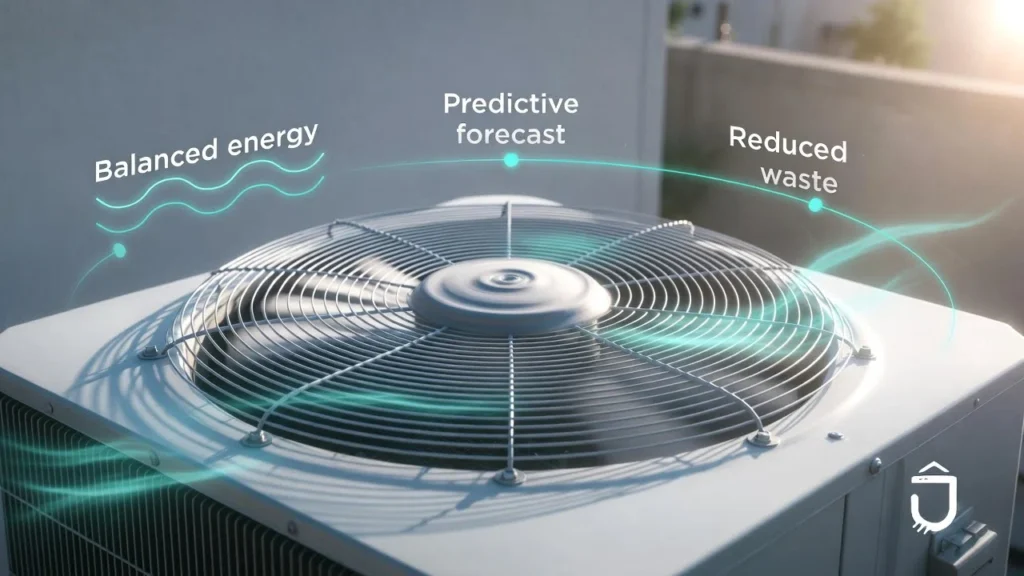
AI heat pump optimization uses machine learning to help heat pumps work smarter and more efficiently in Los Angeles homes. Rather than relying on fixed settings, AI analyzes real-time indoor and outdoor data, weather forecasts, occupancy patterns, and past usage to predict heating and cooling needs. It adjusts compressor and fan speeds, prevents temperature swings, and reduces wasted energy. With LA’s variable climate — cool nights and hot afternoons — this delivers more consistent comfort and lower bills, while also adapting to time-of-use utility rates and air quality events such as wildfires.
Smart heat pumps with AI — such as Quilt systems or variable-speed models paired with Ecobee or Nest thermostats — move beyond simply reacting to temperature changes to actively predicting what your home will need. They use sensors, apps, and cloud-based AI to track conditions, forecast demand (such as pre-cooling before the afternoon heat), and adjust variable-speed components to avoid unnecessary cycling. In LA’s mild but changeable climate, this prevents overcooling and overheating, integrates with smart home systems, and shifts energy use to lower-rate time periods — without requiring manual adjustments.
AI-optimized heat pumps can help California homeowners save $20 to $50 or more per month, or $200 to $600 or more annually, depending on home size, usage patterns, existing equipment, and utility provider. These systems can improve efficiency by up to 25 percent through smart adjustments that reduce waste and minimize energy use during peak-rate hours. Average annual savings of $300 to $670 have been reported statewide for homes upgrading to AI-enabled heat pump controls.
Yes. Several AI-enhanced heat pumps are available for Los Angeles County homes, including Quilt smart ductless systems and variable-speed models from Mitsubishi Electric, Daikin, and Carrier paired with AI thermostats such as the Ecobee Premium. LADWP offers rebates of up to $2,500 per ton on qualifying heat pump systems. TECH Clean California single-family rebates are currently fully reserved and not accepting new applications as of 2026. Verify current program availability before scheduling installation. Affordable Heating and Air handles all rebate paperwork for qualifying LADWP installations.
The Ecobee Smart Thermostat Premium consistently ranks highly for Southern California heat pump installations. It supports multi-stage and variable-speed heat pump compatibility, uses remote SmartSensors for even temperatures across rooms, includes built-in air quality monitoring useful during wildfire smoke events, and applies AI-driven scheduling to minimize runtime during SCE peak hours. Alternatives include the Google Nest Learning Thermostat for homes prioritizing automation, and the Honeywell T10+ Pro for complex multi-zone systems. Pairing any of these with a qualifying heat pump can increase eligibility for available LADWP rebates.
AI heat pump optimization is a big step forward for home comfort. Instead of staying the same, these systems learn, adapt, and improve over time.
If you want to know whether your current system could benefit from machine-learning HVAC controls, or if you are considering upgrading to a smart heat pump, start by getting a professional assessment.
Affordable Heating and Air provides clear guidance, transparent pricing, and expert service throughout Los Angeles County. As a C-20 licensed, bonded, and insured team, we focus on long-term comfort and practical solutions.
Have questions? Text or call us anytime. You can also book an appointment online. AI might sound like the future, but it is available now.